What Is an Injection Molding Machine With Robot Benefits?
In the competitive world of manufacturing, the "Injection Molding Machine With Robot" stands out as a game-changer. Renowned expert Dr. Emily Chen states, "Combining robotics with injection molding enhances precision and efficiency." This integration allows for higher production rates and improved part quality. Manufacturers are increasingly adopting this technology to remain relevant and cost-effective.
The benefits of using an injection molding machine with robots are evident. Robots can handle repetitive tasks easily, reducing labor costs. They enhance safety by performing hazardous operations. Yet, this transition is not without challenges. Companies must invest in training and equipment. Finding the right balance between automation and human touch can be difficult.
As the industry evolves, reflection on these changes is crucial. While the injection molding machine with robot technology promises great advantages, it raises questions. Are we prepared for the shift? What impact does automation have on the workforce? Addressing these concerns will lead to more informed decisions.
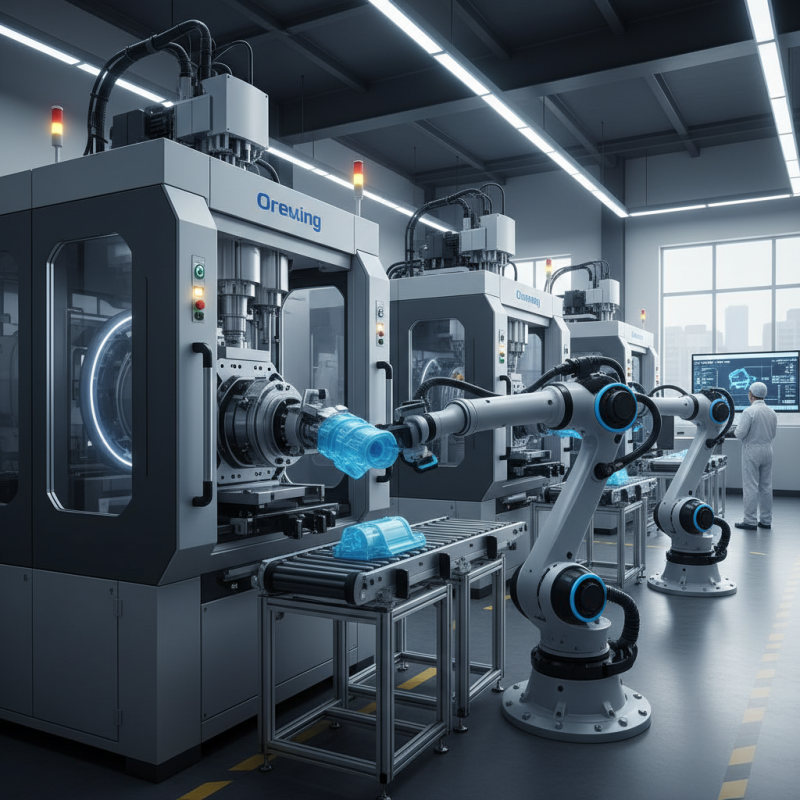
What is Injection Molding and How Does It Work?
Injection molding is a manufacturing process that creates parts by injecting molten material into a mold. It is widely used for producing plastic items. According to recent data from the Plastics Industry Association, the global injection molding market was valued at $357 billion in 2020 and is projected to reach $445 billion by 2025. This growth reflects the rising demand for plastic products across various industries.
The process begins with heating plastic pellets until they melt. The molten plastic is then injected into a mold where it cools and solidifies. Despite its efficiency, there are challenges. For example, the initial setup costs for molds can be high. Molds take time to create, which could lead to delays. Additionally, variations in material properties can affect the quality of the final product.
Integrating robots into injection molding increases efficiency. Robots can handle tasks like assembly and packaging. This automation minimizes human error and reduces production time. Yet, reliance on robots raises concerns. The technology requires maintenance and programming knowledge. If not properly managed, it could lead to downtime and increased costs. The balance between automation and human oversight remains a point of reflection in the industry.
Key Components of an Injection Molding Machine: A Detailed Overview
Injection molding machines are vital in the manufacturing industry. They create plastic parts with precision. Understanding their key components helps in optimizing production.
One major component is the hopper. This feeds the raw material into the machine. It needs regular cleaning to prevent contamination. Another crucial part is the barrel. Here, the material is heated and melted. It’s vital to monitor the temperature closely to avoid inconsistent results.
The injection unit is where the magic happens. It injects the molten plastic into molds. Proper calibration is essential for quality. A mistake can lead to defects. The clamping unit holds the molds together while cooling.
Tips: Always check the alignment of molds. Misalignment can cause uneven parts. Regular maintenance of the barrel enhances longevity. Don’t overlook small issues; they can worsen over time. Be vigilant about cooling cycles. They directly affect production efficiency.
Advantages of Integrating Robots in Injection Molding Processes
Integrating robots into injection molding processes offers multiple advantages. Robots can automate the repetitive tasks of loading and unloading materials. This reduces human effort and minimizes errors. They do not tire or require breaks, ensuring consistent production output. High precision in handling parts greatly lowers the risk of damage.
In addition, robots can optimize cycle times. Automated operation can significantly reduce processing delays. More parts are produced in less time. This efficiency can lead to increased profits. However, the initial investment in robots may seem high. Not all manufacturers are ready to make this leap. It requires careful consideration of costs and workflows.
Another benefit is the ability to adapt. Robots can be programmed for different molds. This flexibility makes it easier to switch production lines. However, employing robots does require skilled personnel for maintenance. Regular training is necessary to keep teams updated on the latest technologies. Balancing investment and workforce development remains a challenge in this rapidly advancing field.
Benefits of Integrating Robots in Injection Molding Processes
Industry Statistics: Impact of Robotics on Productivity in Manufacturing
Robotics is transforming manufacturing productivity. The integration of robots into injection molding machines has shown remarkable results. Data indicates a significant rise in efficiency. Manufacturers report achieving up to 20% more output when robots are involved. This impact is evident in shorter cycle times and reduced labor costs.
However, not every implementation is seamless. Some companies struggle with the upfront cost of robotic systems. Integration can be complex. There's a learning curve for operators. Training is essential to fully utilize these advanced technologies. Moreover, some workers fear job displacement, leading to resistance in certain environments. Balancing human roles with robotic automation remains a challenge.
Nonetheless, the overall benefits of robotics in manufacturing are compelling. Real-time data analysis from machines enhances decision-making. Enhanced precision in production reduces waste. Companies can produce higher-quality products consistently. The rise of robots in injection molding is a reflection of the industry's commitment to innovation and efficiency.
Case Studies: Successful Applications of Robotic Injection Molding Systems
Robotic injection molding systems are transforming manufacturing. These automated solutions enhance efficiency and precision, as seen in various case studies across industries. A recent report indicated that integrating robots in injection molding can reduce cycle times by up to 30%. In the automotive sector, companies reported a significant decrease in production costs. They achieved better quality control with consistent handling of parts.
One notable example comes from the medical device industry. A leading manufacturer implemented robotic systems to add precision. They reported a 25% increase in production output. Additionally, they improved their ISO compliance through streamlined processes. Such applications showcase how robots can address specific production challenges while increasing overall reliability.
**Tip:** Evaluate your current workflow before automation. Identify repetitive tasks that consume time. Balancing automation with human oversight can lead to improved efficiency. Consider the upfront costs versus long-term savings. Investing in robotic systems might seem daunting, but the benefits often outweigh the initial investment.
Robotic systems are not flawless. They can introduce complexities in programming and maintenance. Regular training is essential for staff to adapt. With the right approach, businesses can enjoy the significant benefits of robotic injection molding.